Futures trading is exciting, but it can also create a whirlwind of emotions. I remember how my hands would shake with both anticipation and fear when I started trading. Greed kicked in when profits looked promising, while fear held me back when losses piled up. Over time, I realized that learning to handle these emotions was just as important as understanding charts or strategies. In this article, I’ll show how to recognize, manage, and overcome fear and greed in futures trading, using practical steps that have helped me and many other traders trade with a clearer mind.
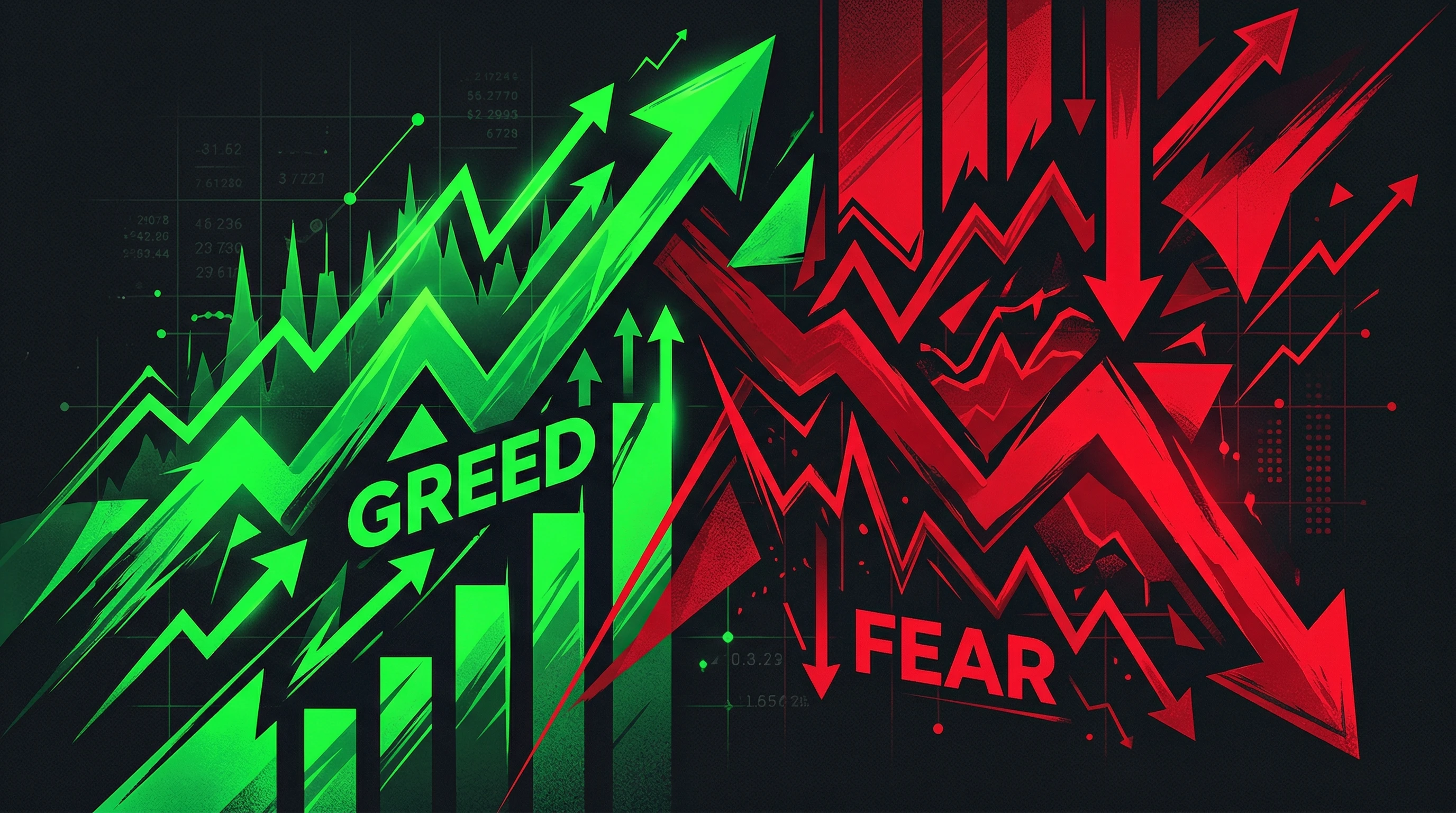
What Are Fear and Greed in Futures Trading?
I see fear and greed pop up all the time, and they are some of the most common emotions that traders face. Fear in trading usually comes from the risk of losing money or missing a good opportunity. Greed, on the other hand, is that nagging urge to keep trading so you can make more money, even if it means breaking your own rules. Both emotions can cloud your judgment. I’ve noticed that recognizing when these feelings show up gets easier with experience, and spotting them early is the first step to managing them.
Fear can lead you to close trades too soon or avoid taking trades that fit your plan. Greed can make you ignore risk controls and hold on too long after profits appear. Both emotions disrupt disciplined trading. I often think that acknowledging these reactions helps me make better choices, even when things get stressful.
Causes Behind Fear and Greed in Futures Trading
Understanding why fear and greed surface is really important. I used to blame myself for feeling these things, but the market itself plays a big part. Here are a few common triggers:
- High Volatility: Big price swings make outcomes feel uncertain, which feeds both fear and greed.
- Leverage: Futures trading uses leverage, amplifying gains, and losses. This heightens the stakes and intensifies emotions.
- Inadequate Preparation: Trading without a solid plan or enough research leaves you exposed and anxious.
- Overconfidence After Wins: A series of wins can make me feel invincible, triggering greedy decisions, like risking too much.
- Loss Aversion: After a loss, the urge to break even quickly can make fear creep in or lead to careless bets.
Recognizing these triggers reminds me to pause and review my process, not just my results.
Getting Started: Building a Mindset for Long-Term Futures Trading Success
Creating a calm, focused mindset is one of the most helpful things I’ve done in trading. Futures markets are filled with rapid changes and emotional highs and lows. Building habits that support rational decision-making has changed how I trade for the better. Here’s how I work on this mindset:
- Education: I keep learning, whether it’s about technical analysis, fundamental indicators, or new trading methods. Knowing what I’m doing breeds confidence and reduces doubt.
- Realistic Expectations: I stopped chasing huge wins every session. Instead, I focus on small, steady gains. It’s more marathon than sprint.
- Practicing Patience: Some of my best trades appeared only after sitting on the sidelines for longer than I’d like.
- Detaching from Outcomes: It sounds simple, but not tying my self-worth to win or loss makes trading decisions a lot easier.
To me, mindset is about controlling what I can and letting go of what I can’t. That means accepting losses as part of the process and celebrating consistent execution, not just lucky wins. I also try to keep emotions balanced by recognizing triggers outside trading, like stress from other areas of life, and do my best to keep a clear distinction between personal ups and downs and trading activities.
Practical Steps to Tame Fear and Greed
Emotions are normal in trading, but I’ve trained myself to respond rather than react automatically. Here are some approaches I use to keep fear and greed in check:
- Have a Written Trading Plan: I make sure my plan covers entry and exit rules, risk limits, and trade size. Following a written plan keeps me accountable, especially during turbulent markets.
- Set Clear Risk Management Rules: I determine before every trade how much I’m willing to lose (often 1-2% of my capital). Tools like stoploss orders help protect my trades from wild swings.
- Keep a Trading Journal: After each session, I write down why I took each trade and how I felt. Patterns always seem clearer in writing, and it helps me spot emotional mistakes before they become habits.
- Use Breathing and Pause Techniques: When I feel my pulse racing, I’ll step away for a few deep breaths before re-entering or making any big decisions.
- Take Regular Breaks: Trading all day can burn me out and cloud my decisions. I find that stepping away from the screen, even for just a few minutes, keeps my thinking sharp.
These steps don’t require fancy systems, just commitment and transparency with myself. Over time, building good habits lets me make smarter, calmer choices—even during wild market swings. It’s about staying prepared and practicing discipline day in and day out.
Common Hurdles When Overcoming Fear and Greed
No approach is perfect, and every trader faces a few bumps in the road. Here are some common challenges and how I learn to work through them:
- Recency Bias: I tend to remember recent wins or losses more strongly than overall performance. I review longer-term records instead of making decisions based solely on what just happened.
- FOMO (Fear of Missing Out): When the market moves fast, it’s tempting to jump in impulsively. I remind myself that no one trade will make or break my career.
- Confirmation Bias: Sometimes, I look for evidence to support a trade I already want to make. To combat this, I ask myself, “Would I take this trade if I hadn’t already decided on it?”
Recency Bias
Recency bias has caused me plenty of frustration. For example, after a few profitable trades, I might believe I’m on a roll and trade more aggressively, only to give back my gains. To balance this, I look at my trading log at the end of every week to get a fuller picture, not just the last few sessions.
FOMO
I’ve lost track of how often I bought in too soon after seeing a big move. Over time, I found that the best trades often lined up with my plan, not panic entries or exits. Practicing restraint is a daily habit, and it gets a bit easier over time. I stay patient, knowing another opportunity will always present itself if I stick to my process.
Confirmation Bias
Confirmation bias makes me ignore red flags or second-guess smart stops. Staying objective can be tough, but having someone else review my trade ideas, or even reading them aloud, helps break my thinking out of a rut. I’ve also learned to step back for a short walk or quick break so I can get a fresh perspective before making any trade that feels questionable.
Every trader runs into these hurdles eventually. Admitting when emotions take over is the first step to improving. Sometimes, just writing out thoughts and feelings about recent trades helps reveal patterns you would otherwise miss.
Advanced Tips for Mastering Emotional Discipline
I still work on building emotional discipline every day. Here are some tips I use now that I’ve got more experience under my belt:
Analyze Trade Outcomes with a Cool Head: I review both winning and losing trades. Instead of just celebrating wins, I figure out what worked, and what didn’t, each time.
Simulate Stressful Situations: I sometimes trade in a demo account under high-pressure scenarios to test my reactions. It’s less about money and more about learning how I handle anxiety or euphoria.
Avoid Overtrading: After a great run or a tough loss, I impose a pause rule. If I make three trades quickly, I step back and review my reasons before continuing.
Limit Outside Influences: Following noisy financial commentators or social media trends makes it difficult to stay focused. I stick to a small list of resources I trust rather than chasing every tip online.
Keep Physical Health in Mind: Good sleep, exercise, and healthy snacks boost my clarity and stress tolerance. I realize that taking care of myself physically helps my mental state for trading emotional highs and lows.
Practical Uses for Overcoming Emotions in Futures Trading
Staying levelheaded in futures trading can improve consistency, protect your account, and grow confidence over time. Here are some ways handling emotions has directly benefited my trading:
- Improved Consistency: Emotional discipline helps me stick to my strategy and avoid big mistakes.
- Fewer Major Losses: By controlling greed and fear, my losing trades tend to be smaller, and I avoid revenge trading.
- Stronger Recovery: I don’t freeze up after losses or get giddy after a win. This helps me bounce back quicker, which is great for long-term growth.
- Better Focus: I concentrate on making quality decisions, not just chasing profits. Sharp focus means better follow-through on my trading plan and reduces costly distractions.
I’ve seen traders, myself included, turn rough months around just by managing emotions better and reviewing their routines, not just their results.
Frequently Asked Questions
Here are a few questions traders new to futures markets often ask me:
Question: How do I know when I’m trading emotionally?
Answer: Emotional trading often feels rushed or impulsive. If you’re ignoring your plan, doubling down on losses, or trading because “everyone else is,” emotions are probably driving your decisions.
Question: Can I totally eliminate fear and greed?
Answer: No one can remove them completely. Awareness helps, but the trick is to manage them with good habits, not to get rid of them entirely.
Question: What are the best tools for emotional control in trading?
Answer: For me, using stoploss orders, sticking to a written plan, and reviewing a trading journal are the best tools.
Overcoming Emotions Makes Trading More Sustainable
Taming fear and greed is part of every trader’s adventure in futures markets. With some honest reflection, daily habits, and a clear plan, emotions become far more manageable. My experience shows that progress comes in small steps, but each day brings more confidence and steadier results. By focusing on discipline over emotion, you can trade smarter and feel better about every decision you make, win or lose. The road to trading resilience is built one calm, focused trade at a time.